Ketones, Metabolic Health, and the Brain: Why This Information Matters
March 30, 2026This article is derived from the session “Ketones As A Path For Metabolic Health” presented by Dr. Csilla Ari D’Agostino, Neuroscientist | Researcher | Founder of Audacious Nutrition, at the ObesityHelp 2025 National Conference, where she discussed how ketones may support appetite control, brain energy, and obesity-related metabolic health safely and effectively.
What Metabolic Health Really Means
Metabolic health refers to a physiological state where the body and organs function properly, reducing the risk of chronic disease. This includes lowering the chances of diabetes, cardiovascular disease, stroke, cognitive decline, and other conditions often associated with obesity.
“Metabolic health is basically a physiological state when the body and the organs function properly, which will eventually reduce the chance for chronic diseases.”
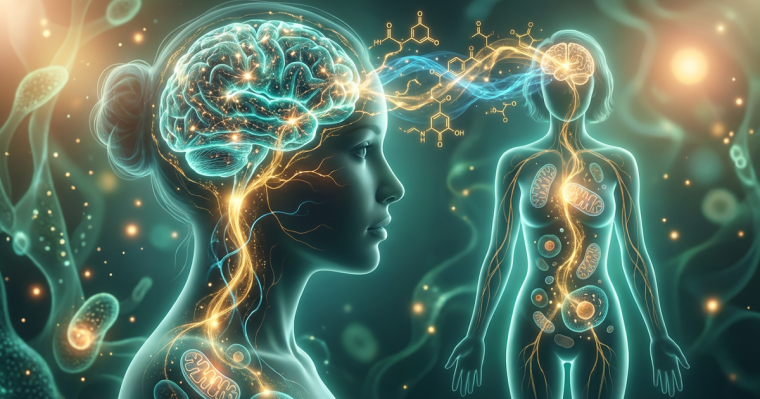
Dr. D’Agostino spoke about how the brain plays a central role in this process. Although it accounts for only about 2 percent of body weight, the brain uses roughly 20 percent of the body’s energy. When metabolic health is compromised, the brain is often one of the first organs affected.
Historically, scientists believed the brain could only use glucose for fuel. That belief changed in the 1960s when researchers observed that during prolonged fasting, the brain could derive up to 60 percent of its energy from ketones, specifically beta-hydroxybutyrate (BHB). Even when glucose levels were lowered further with insulin, ketones preserved brain energy metabolism and participants remained asymptomatic.
This discovery laid the groundwork for understanding ketones as an alternative and efficient energy source, particularly when glucose metabolism is impaired.
Ketones as an Alternative Fuel for Metabolic Health and the Brain
Dr. D’Agostino explained that BHB ketones can be produced naturally during fasting or carbohydrate restriction, or they can be consumed through supplementation. Importantly, nutritional ketosis is not the same as diabetic ketoacidosis.
“It’s not the same as ketoacidosis. Nutritional ketosis is safe and healthy.”
She shared that ketones offer several advantages at the cellular level:
- They provide about 25 percent more energy than glucose at the mitochondrial level.
- They support mitochondrial biogenesis, meaning the body creates new mitochondria to replace damaged or aging ones.
- They remain usable even when glucose uptake in the brain is impaired.
This becomes especially relevant with aging, chronic stress, and neurological conditions. Brain imaging studies show that while glucose utilization declines in conditions like Alzheimer’s disease, ketone utilization remains intact. This suggests brain cells are still viable but unable to efficiently use their original fuel.
“The cells are there. They are not dead. They just can’t use the old fuel anymore.”
By providing an alternative energy source, ketones may help restore brain energy metabolism in situations where glucose falls short.
Stress, Cognitive Load, and Brain Energy
Chronic stress places a significant metabolic burden on the brain, a concept known as allostatic load. While acute stress temporarily increases glucose availability to support a fight-or-flight response, chronic stress does the opposite. Over time, glucose uptake decreases in key brain regions, contributing to memory, learning, and cognitive function challenges.
Dr. D’Agostino explained that she has observed this firsthand during underwater space-simulation missions conducted in collaboration with NASA. Crew members operating under prolonged stress and high workload frequently showed lapses in attention and memory, such as forgetting simple procedural steps.
“No matter how many times we reminded the crew members, most of the time they forgot. Something was going on with cognitive function.”
Ketones may help buffer the brain against these effects by:
- Providing energy when glucose metabolism is impaired
- Increasing cerebral blood flow
- Supporting neurotransmitter balance by increasing GABA and reducing glutamate
This shift can result in a calmer, more resilient brain during periods of prolonged stress.
Frequently Asked Questions
Are ketones only useful for people following a ketogenic diet?
No. Ketones can be produced through fasting, carbohydrate restriction, or supplementation. The speaker noted that many people benefit from a low-carbohydrate approach combined with ketone supplementation.
Is nutritional ketosis safe for the brain?
According to the research discussed, nutritional ketosis is distinct from ketoacidosis and has been shown to safely support brain energy metabolism.
Why does the brain need an alternative fuel source?
With aging, chronic stress, or neurological conditions, the brain’s ability to use glucose declines. Ketones can help meet energy demands when glucose metabolism is impaired.
Watch the full video of Dr. Csilla Ari D’Agostino's session below!
 | ABOUT THE AUTHOR Dr. Csilla Ari D’Agostino is a neuroscientist with more than two decades of experience exploring neuroplasticity, metabolism, and brain health. In 2021, she launched Audacious Nutrition, a company inspired by her scientific discoveries and focused on advancing brain and metabolic health through clean, research-backed formulations. |