
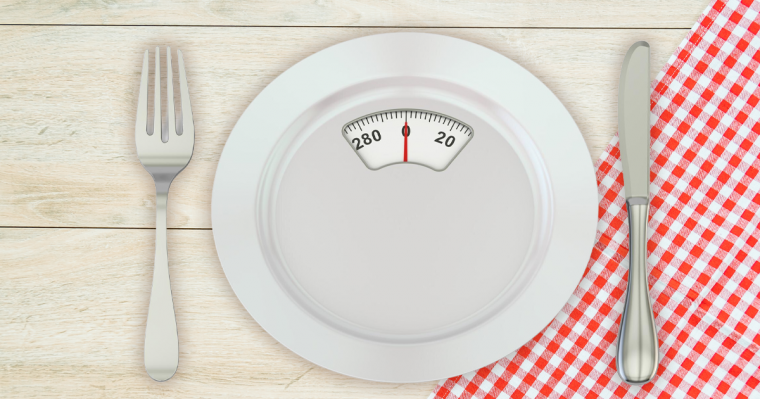
Trauma on a Plate: The Emotional Roots of Obesity and Eating Behaviors
December 17, 2025Obesity and Eating Behaviors: The Weight We Carry Isn’t Just Physical
It’s 2 AM. You’re standing in the kitchen light, eating directly from the container, and you’re not even hungry. If someone asked why you’re here, you couldn’t explain it. But your body knows.
Your body remembers.
For many, obesity is described as a matter of numbers, calories, BMI, and pounds lost and gained. But if you’ve lived inside this struggle, you know the truth: the weight isn’t only physical. It’s emotional. It’s historical. And often, it’s invisible.
When Food Becomes More Than Food
Every plate of food can tell a story, and too often, that story begins with pain we’ve never named. Childhood criticism that taught us we weren’t enough. Neglect that left us hungry for more than food. Chaos that made eating the only thing we could control.
Consider Sarah, who learned at age seven that finishing everything on her plate earned her mother’s rare smile of approval. Now at thirty-seven, she still can’t leave food on her plate, even when uncomfortably full. Or Michael, who discovered that sneaking snacks in his bedroom was the only time he felt truly safe from his parents’ explosive arguments. These aren’t character flaws—they’re survival strategies that outlived their usefulness.
Trauma doesn’t always arrive with dramatic force. It can show up quietly, in the form of emotional neglect, constant criticism, or growing up in a home where love came with conditions. In those spaces, food often transforms from simple nourishment into something much more complex: a source of comfort, control, rebellion, or numbing.
The Hidden Language of Emotional Eating
Food becomes our first therapist, our most reliable friend, and our secret keeper. When overwhelmed, we reach for something crunchy to match our internal chaos. When lonely, we seek the creamy comfort that hugs us from the inside. When angry, we might rebel by eating everything we’ve been told not to have.
These patterns create their own rituals: hiding candy in dresser drawers, eating in the car before walking into the house, finishing an entire bag of chips while scrolling through your phone, barely tasting any of it. Each behavior carries a message from our younger selves, still trying to meet needs that went unmet.“I eat when I’m overwhelmed.” “Food was the only thing I could rely on.” “I never learned how to feel, I learned how to eat through feelings instead.” These aren’t excuses. They’re signals. Emotional eating is the body’s way of saying something deeper needs attention.
Reframing the Story: From Shame to Understanding
Here’s what we get wrong about obesity: we treat it as a failure of willpower when it’s actually an adaptation to pain. When viewed through a trauma-informed lens, that late-night binge isn’t weakness it’s your nervous system trying to regulate itself the only way it learned how. The child who hoarded snacks because food was scarce becomes the adult who can’t stop eating even when the pantry is full. The teenager who used food to rebel against controlling parents becomes the adult who binges whenever they feel restricted. The person who learned that their emotions were “too much” becomes someone who uses food to silence their inner Voice.
Our nervous system adapts to pain in the best way it knows how, even if that adaptation shows up as secretive eating, food anxiety, or using meals to mark time when life feels overwhelming. Until we listen to the message beneath the eating behaviors, no diet plan or surgical intervention will create lasting peace with food.
Healing: One Mindful Moment at a Time
Trauma-informed healing starts not with restriction, but with curiosity. Before you reach for food, try this: Put your hand on your chest. Take three deep breaths. Ask yourself, “What am I really hungry for right now?”
Sometimes the answer is actually food, and that’s okay. But often, you might discover you’re hungry for connection, comfort, celebration, or simply a moment of peace. Once you name what you’re truly seeking, you can begin to explore different ways to feed that hunger. This doesn’t mean food can never provide comfort, it means expanding your toolkit. Some find that journaling before eating helps them process emotions. Others discover that five minutes of deep breathing can shift their entire nervous system. Walking around the block, calling a friend, or simply saying out loud “I feel overwhelmed right now” can interrupt the automatic reach for Food.
Building these new responses takes time and patience. Healing isn’t about perfection; it’s about creating tiny moments of choice between the trigger and the action. In that space, that pause transformation becomes possible.
Regulation: Healing the Nervous System
Trauma lives in the body, and when our nervous system is dysregulated, food often becomes our go-to regulator. Learning to soothe yourself in other ways isn’t about willpower; it’s about giving your nervous system new tools.
Simple grounding exercises can be remarkably powerful: feeling your feet on the floor, naming five things you can see around you, or placing both hands on your heart while taking slow breaths. These techniques help signal safety to a nervous system that may have been on high alert for years.
Movement, too, can be medicine. This doesn’t mean punishment workouts, but gentle movement that helps process stored emotions: stretching, dancing to one favorite song, or taking a short walk while paying attention to your surroundings.
Rewriting Your Relationship with Food
Healing doesn’t mean erasing the role food has played in your life; it means honoring it while creating new possibilities. Food helped you survive when you didn’t have other tools. That deserves gratitude, not shame.
As you build new coping strategies, you can begin to redefine what food means in your life and eating behaviors. Instead of being armor against the world, it can become fuel for the life you’re building. Instead of being a way to silence emotions, it can become a way to nourish the person you’re becoming. This shift happens gradually. There will be days when old patterns resurface when stress sends you straight to the kitchen or when emotions feel too big to handle without food. These moments aren’t failures; they’re information. Each time you notice the pattern, you’re building awareness. Each time you pause before acting, you’re rewiring your brain.
You Are Not Broken, You Are Adaptive
If you take nothing else from this article, let it be this: you are not broken. You are brilliantly adaptive. You found ways to survive emotional pain that others may never see or understand. That creativity, that resilience, that determination to keep going—those strengths, not flaws. The same intelligence that learned to use food for emotional regulation can learn new ways to meet those needs. Your capacity to care for yourself through food shows you already know how to be nurturing now, you can expand that nurturing to other areas of your life.
Moving Forward: From Survival to Thriving
Trauma may have shaped your eating behaviors, but it doesn’t have to define your future. You can learn to approach your plate not with fear or judgment, but with curiosity, and compassion. You can create a life where food nourishes your body without having to carry the weight of all your emotions. The next time you find yourself reaching for comfort food, remember: that reach is intelligent. It’s your younger self asking for care. The question isn’t whether you deserve the healing; you do. The question is, what will you feed that hunger today?
The weight we carry is never just physical. And when we choose to tend to the emotional weight with the same care we give our bodies, the transformation we long for finally becomes possible.
Charlene Holmes is a Certified Trauma-Informed Life Coach, Bariatric Advocate, and hosts the award-winning Talk Bari to Me podcast.
 | ABOUT THE AUTHOR Charlene Holmes is a Certified Trauma-Informed Life Coach, Bariatric Advocate, and psychology student at Texas State University. She hosts the award-winning Talk Bari to Me podcast and is a recipient of the CREA Global Award from Brainz Magazine, recognizing her creativity and innovation in wellness and mental health advocacy. |


